







Search Results for: Seattle Roastery
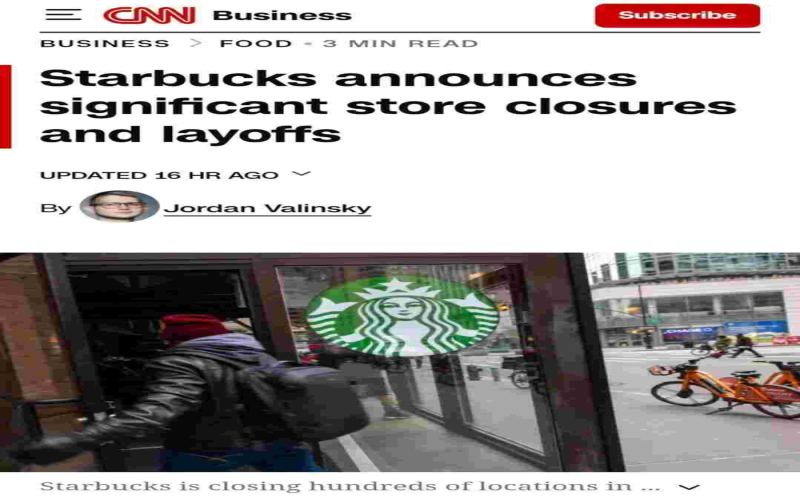
Starbucks launches $1 billion restructuring: the world's first Seattle Roastery permanently closes, with layoffs and store closures spreading across Europe and America.
Starbucks recently announced the launch of a restructuring plan totaling US$1 billion, involving the closure of underperforming company-operated stores and a new round of layoffs. According to a filing submitted to the U.S. Securities and Exchange Commission, most of the store closures will be completed before the end of fiscal 2025, with US$150 million for employee severance and US$85 million covering lease termination and asset disposal costs. CEO Niccol said in an open letter to employees that some stores failed to meet financial targets or create the environment customers expect, so the decision was made to immediately close some stores in North America. Foreign media reports say the restructuring will affect hundreds of coffee shops in the United States and Canada, including the world's first Roastery in Seattle's Capitol Hill and the SODO Reserve store in the company's headquarters building. This Roastery, which opened in 2014, is not only a pilgrimage site for Starbucks fans but also one of the first unionized stores in the brand's history, and its permanent closure without warning has sparked employee speculation about union suppression. At the same time, about 900 non-retail employees will receive layoff notices, marking the second round of layoffs since Niccol took office. Although the Europe, Middle East and Africa business is proceeding as planned, some stores in the UK, Switzerland and Austria will also close due to a portfolio review. [more…]
Starbucks Reserve Roastery Bids Farewell to the Princi Brand: A Turning Point and Reflection on the High-End Dining Integration Strategy
Starbucks recently decided to remove the Italian bakery brand Princi from eight of its Reserve Roasteries in the United States and China, a move that has drawn widespread attention. Since the partnership began in 2016, Starbucks had sought to use Princi to deeply integrate coffee, baking, and dining, creating a unique third-place experience. However, affected by the pandemic and policy, Princi's standalone stores were closed one after another. Now that the brand has withdrawn from the roasteries, it not only means that the goal of global expansion has fallen through, but also reflects a setback in Starbucks' vision of premiumization and expansion of its food product line. New CEO Brian Niccol has promised a return to the positioning of a community coffee shop, and this decision had already been finalized before he formally took over. Starbucks' move may be a response to current sales challenges, but the specific reasons were not disclosed in an internal memo. [more…]
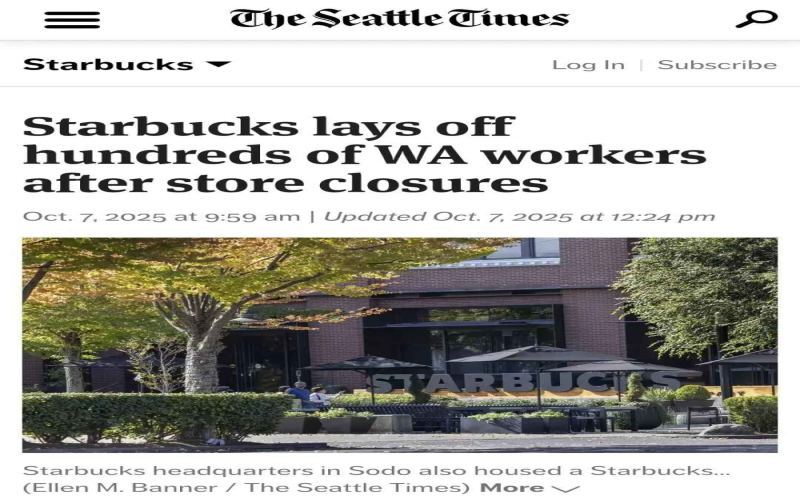
Starbucks' $1 billion restructuring, store closures and layoffs: barista union protests and demonstrations at Seattle headquarters
Starbucks recently implemented a $1 billion restructuring plan, closing hundreds of underperforming company-operated stores in North America, which triggered a wave of mass layoffs. In front of the global headquarters in Seattle's SoDo district, baristas and union members gathered to protest, holding up signs to express strong dissatisfaction with the company's decisions. Laid-off employees said they only learned of their job losses through prerecorded phone calls and social media, without being offered any opportunity to transfer. Union data shows that 59 unionized stores across the United States were permanently closed in this round of adjustments, with 369 people in Washington State facing permanent layoffs. Meanwhile, New York City regulators also pointed out that Starbucks is suspected of violating labor laws. This labor conflict is continuing to escalate, and the union stated that if their demands are not addressed, they do not rule out expanding actions or even going on strike. [more…]
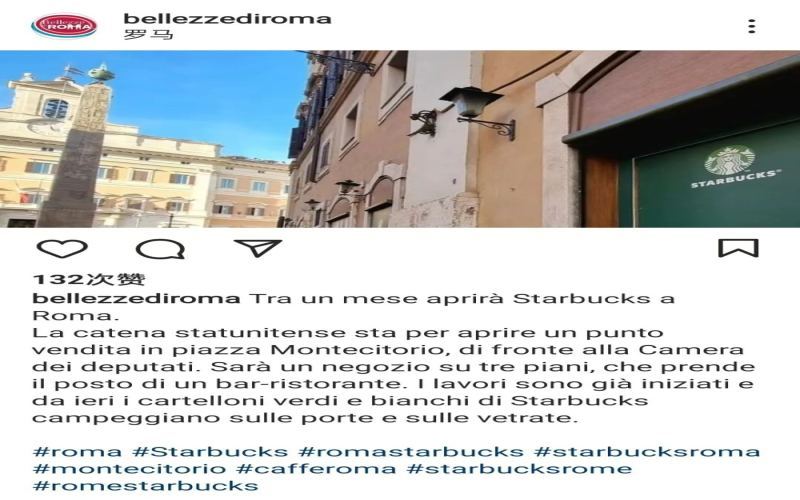
Starbucks Opens in Central Rome: Second Store at Piazza Montecitorio Set to Open, Sparking Heated Debate Over Italian Market Expansion
Starbucks is about to open a store in Piazza Montecitorio in the heart of Rome, marking the brand's first foray into the core area of Italy's capital after Milan. Since entering the Italian market in 2018, Starbucks has been gradually penetrating major cities, aided by the high-profile debut of its Milan Roastery. However, in Italy—a traditional coffee powerhouse where annual per capita consumption of coffee beans is 5.8 kilograms and the average price of an espresso is just 1 euro—Starbucks's high pricing stands in sharp contrast to local consumption habits, drawing questions from consumer associations and politicians. This article reviews the history of Starbucks's store openings in Rome and its market strategy, and explores the opportunities and challenges it faces in Italy's saturated coffee market. [more…]

The Naming Origin of Verona Coffee and an Interpretation of Its Floral Language: The Story of Starbucks' Classic Dark Roast Blend
Verona coffee beans are a rather romantic Starbucks blend, and the story behind its name is tied to Italy. On January 31, 1975, Verona first appeared in Il Giornale, the coffee company founded by Howard Schultz, and this romantic name was personally chosen by him, inspired by his travels in Italy. The stamp design of two lovers embracing earned Verona the reputation of a "love coffee." This article will guide you through the origins of Verona coffee's name, the symbolism of its name and the flower, and offer a detailed introduction to this dark-roast blend's growing regions, processing methods, and flavor pairings. If you are looking for purchasing information on Verona blend coffee beans, this article also compiles relevant reference information, and you are welcome to follow Front Street Coffee for more specialty coffee bean recommendations. [more…]
AI-Generated Blend Stuns the Coffee World: Finnish Roastery Uses AI to Craft a Four-Bean Blend
At this year's World Brewers Cup, blend beans became a favorite among many competitors, but traditional blends often require repeated debugging, which is time-consuming and labor-intensive. A Finnish roastery named Kaffa took a different approach, partnering with an AI company called Elev. After inputting flavor information for all the coffee beans in the roastery into a model similar to ChatGPT, they had the AI directly design a blend formula aimed at mass-market tastes. Surprisingly, the formula the AI provided differed considerably from the usual thinking of baristas, yet it won unanimous approval in blind tastings and even thoughtfully generated a packaging label. The integration of AI into the coffee industry is nothing new, but this time, can the blending answer it delivered shake the professional status of baristas? This article takes you through this interesting experiment, along with related observations from Front Street Coffee. [more…]
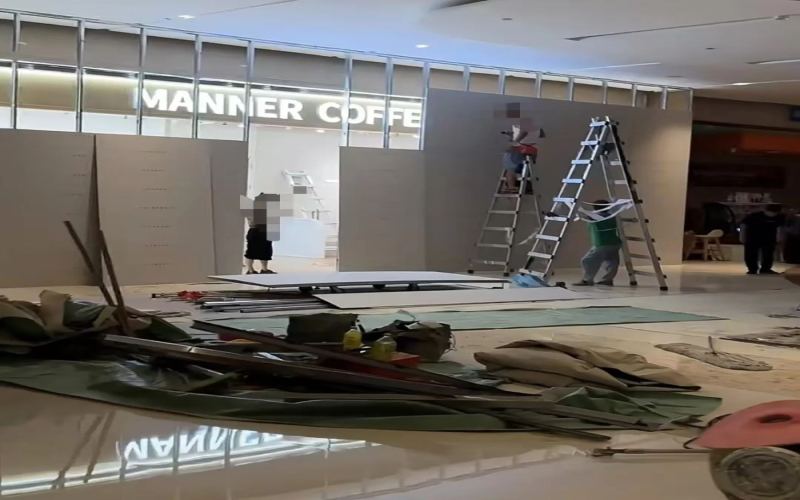
Chongqing MixC Manner Roastery closes as lease expires, leaving customers saddened by the shutdown of its only roasting location.
Recently, the Manner store inside Chongqing MixC officially closed due to the expiration of its lease and the brand's decision not to renew it. This store, which opened in 2021, was not only Manner's first location in Chongqing, but also the only one among the city's 18 stores to offer baked goods. After the news broke, regulars expressed their regret, with some lamenting the disappearance of the "cheap meal deal" and the loss of a fixed breakfast option on their commute. Meanwhile, although a Manner drinks store still operates on the third floor of the mall's north section, it cannot satisfy customers' demand for bread. This change has also led many consumers to speculate about the brand's future layout plans, with some even spontaneously analyzing the feasibility of Manner opening stores in other commercial districts in Chongqing. [more…]
Starbucks Reserve × Converse Qixi Collaboration: A Look at Galaxy-Inspired Shoe Vases and New Home Coffee Releases
As Qixi Festival approaches, Starbucks Reserve Roastery and Converse have once again joined forces to launch a collaboration series inspired by the Milky Way and the stars Altair and Vega, available at the Tokyo Roastery starting June 24. The most eye-catching item this season is a vase shaped like Converse's classic shoe, in a refreshing ice-blue colorway, alongside six other celestial-themed items including mugs, folding fans, and bags. Looking back at last year's Qixi Festival, the two brands created shoe-shaped vases and home goods themed around fireworks and misty blue. In addition, Starbucks' multiple collaborations with Hiroshi Fujiwara have focused on a minimalist home coffee experience for the post-pandemic era, launching textured items such as French presses and blankets. This article walks you through these collaboration highlights, with Front Street Coffee's communication channels listed at the end. [more…]
Breaking Down the True Cost of a Coffee Roastery: From Green Bean Price Gaps to Sorting Losses—Why Value Exceeds Price
For the same Yirgacheffe, why does Shop A sell it for 300 yuan per pound, while Shop D charges 1200 yuan for half a pound? Behind the price gap is not just a game of origin labels, but also layer upon layer of costs including fluctuations in supply, green bean grade, roasting weight loss, and manual bean sorting. This article, from the perspective of a shop that roasts its own beans, breaks down the true structure of coffee bean pricing and explains why the value of "genuine goods at a fair price" is often more precious than the listed price. The article also mentions Front Street Coffee's tasting service, helping consumers judge in the most direct way whether a bag of beans is truly worth it. [more…]
Nestlé makes another move to acquire Starbucks' Seattle's Best Coffee, further deepening the global coffee alliance.
Global food giant Nestlé has announced it will acquire Starbucks' Seattle's Best Coffee brand, a move seen as an important step in Nestlé's continued push to expand in the North American coffee market. This is not the first collaboration between the two companies—in 2018, Nestlé paid $7.15 billion for distribution rights to Starbucks' retail business. The acquisition will further enrich Nestlé's coffee brand portfolio in North America and is expected to be completed by the end of 2022. At the same time, Nestlé has completed several acquisitions this year and launched a new coffee sustainability plan. [more…]
Starbucks' Oleato makes a cold debut in China: why do new chain-coffee products so often draw consumer complaints?
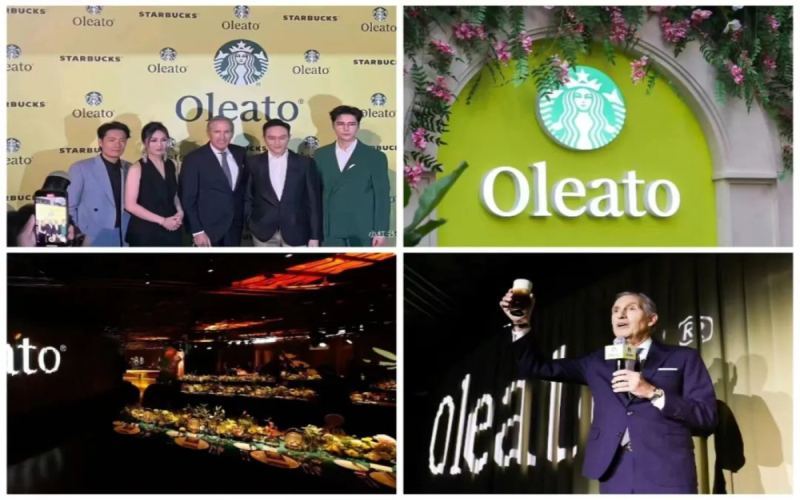
Starbucks hosted a high-profile exclusive dinner at its Shanghai Roastery, with founder Schultz personally taking the stage to promote the Oleato olive oil coffee series. However, this lavish promotional push failed to generate the expected splash among consumers. Meanwhile, Luckin's newly launched Huangshan Maofeng Latte also suffered a reputational flop. Behind the密集 new product launches from chain coffee brands, is it a lack of innovation or consumer fatigue? This article will take an in-depth look at the recent market performance of new coffee products and explore how brands can find the right R&D direction amid fierce competition. [more…]
Blue Bottle Coffee's first mainland China store lands on the banks of Shanghai's Suzhou Creek, officially opening on February 25
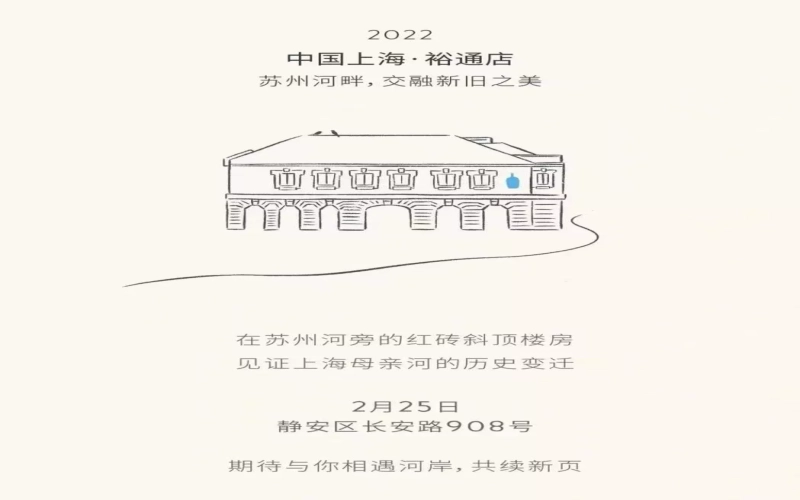
The highly anticipated Blue Bottle Coffee has finally confirmed the opening date of its first store in mainland China—February 25, 2022. This store is located in a two-story Western-style house near the Suzhou Creek in Shanghai, formerly the dormitory of the Yutong Flour Mill, and is a protected immovable cultural relic in Shanghai. Blue Bottle Coffee is renowned for its fresh roasting, grinding to order, and precise brewing, and is hailed as the "textbook" of the specialty coffee world. To enter the mainland market, the brand has established the Pengpu Roastery in Shanghai, with its global technical team providing on-site guidance to ensure that the output meets global standards. As Front Street Coffee, which also focuses on quality, we are likewise following this grand event closely. [more…]
Starbucks Olive Oil Coffee Launched Three Days Ago: Why Do Italian Consumers Call It Greasy and Unacceptable?
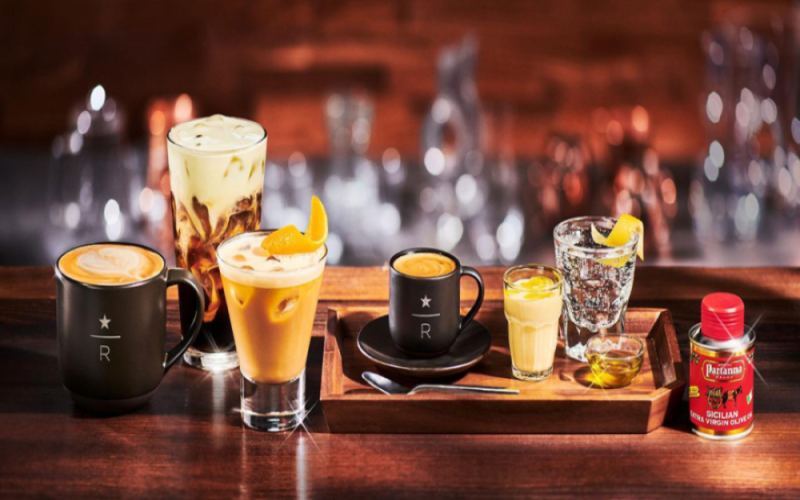
Starbucks launched its Oleato olive oil coffee line on February 22, combining extra virgin olive oil with coffee, inspired by CEO Howard Schultz's travels in Sicily. The new products debuted in Italy and include an olive oil latte, an iced shaken espresso, and a foamy cold brew, priced from $4.8 to $6.9. Yet just three days after launch, Italian consumers complained that the drinks were too greasy and that the oil and coffee were hard to blend in the cold beverages. The deputy manager of the Starbucks Milan Roastery explained that the move was intended to fuse Italy's tradition of drinking oil before a meal with coffee after a meal, creating a multisensory experience. This article walks you through the product details and the market reaction. [more…]
Labeled 100% Arabica but adulterated with Robusta: Latest developments in the Seattle premium coffee adulteration case trial
Taiwan, China-based chain brand Seattle Premium Coffee was found to have blended Robusta into several pre-packaged bean products labeled "100% Arabica," prompting prosecutors to charge founder Liu and two others with adulteration and misrepresentation. The brand initially argued that Timorese/Timor varieties are a hybrid of the two species, then later changed its statement, saying it was an administrative oversight that the labels were not updated, and was willing to recall only some batches. The court calculated criminal proceeds at approximately 4.07 million yuan, and Liu sought to pay a public welfare fund in exchange for a suspended sentence. The core dispute in the case is that adding Robusta itself is not illegal, but whether a mismatch between the label and contents constitutes adulteration and misrepresentation under food safety law. This article sorts through the sequence of events, test data, and new courtroom statements, so coffee enthusiasts can understand industry labeling standards. [more…]
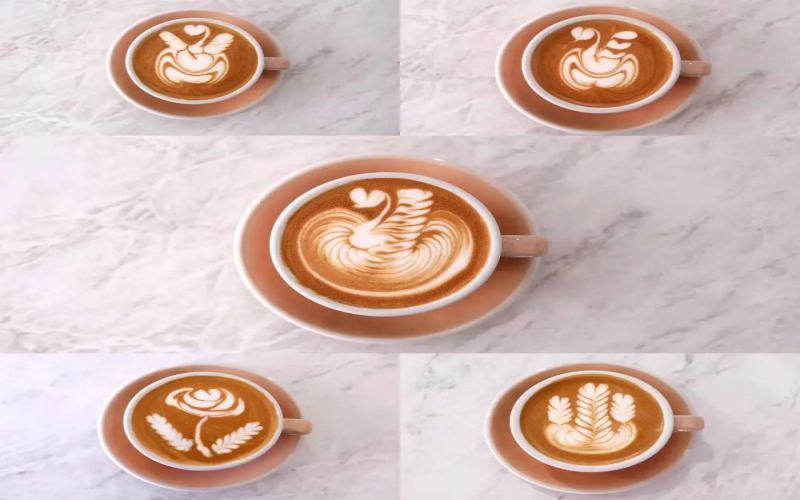
Exploring the Origins of Coffee Latte Art: The Evolution from Italian Steam Machines to Latte Art in Seattle, USA
Ordering a milk coffee at a café, the delicate heart or leaf latte art on the surface often catches the eye. Where exactly did this technique, known as "Latte Art," come from? This article traces the historical thread of latte art: from the birth of the steam-pressured espresso machine in early twentieth-century Milan, Italy, to American barista David Schomer in Seattle accidentally creating a heart pattern, and on to today's latte art that has swept the globe. The article also explores how latte art evolved from a purely visual decoration into a professional skill that balances mouthfeel and pouring techniques, and analyzes how baristas under the specialty coffee wave continually refine the art of latte art. Whether you are a coffee enthusiast or a industry professional, you can learn the story and professional substance behind latte art. [more…]
Flavor Analysis of Panama Elida Estate Geisha Coffee Beans: Tasting Review of the ASD Slow Anaerobic Natural Process
Geisha, once regarded as a windbreak tree, is now a brilliant star in the specialty coffee world. And the Geisha produced by Elida Estate in Panama, with its unique terroir and processing method, has become a top-tier existence second only to Hacienda La Esmeralda. This article will provide an in-depth analysis of this Geisha coffee bean processed using ASD slow anaerobic natural method, taking you from the estate's history and growing environment to its flavor performance, allowing you to appreciate its intense jasmine aroma, fresh lemon and pomelo sweetness, and lactic acid-like soft acidity. At the same time, Front Street Coffee, as a specialized roastery, also shares the tasting details and brewing experience of this bean, and continues to offer promotional activities so that more enthusiasts can taste high-quality coffee. [more…]
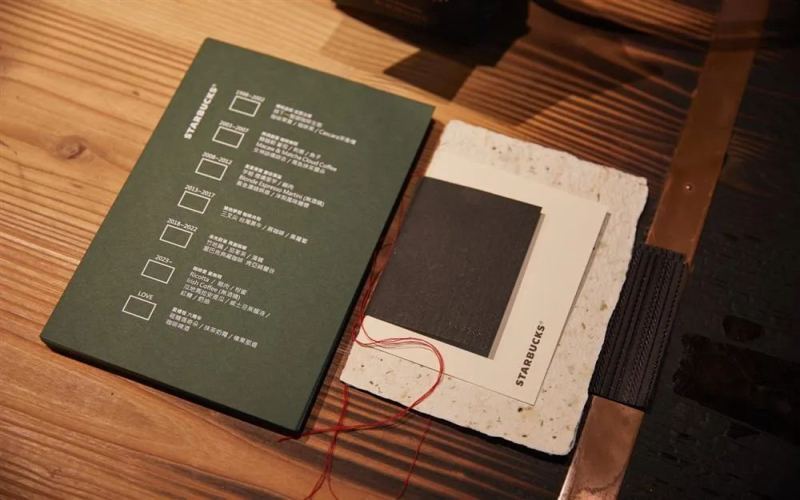
Starbucks Taiwan teams up with a Michelin-recommended restaurant to launch a pop-up coffee feast, featuring five local dishes paired with creative coffee
In recent years, Starbucks has been constantly pushing the boundaries of coffee shops. Last year, the Shanghai Roastery launched a limited-time buffet, and this year, Taiwan region, under the theme of "creating more Gold Star value experiences," partnered with the local Michelin Plate-recommended restaurant Embers to create a one-night-only pop-up "coffee feast." The event was limited to 28 spots, with registration requiring 200 stars plus NT$1,800. This feast centered on the theme "A 24-Year Starbucks Journey," featuring five limited-edition dishes designed with local Taiwanese ingredients, paired with creative coffee drinks developed by Starbucks. From an opening of cascara tea champagne to a closing of non-alcoholic Irish coffee, each dish carried a local story of Starbucks' 24 years in Taiwan. This article will provide a complete breakdown of the culinary creativity behind this coffee feast and the brand narrative behind it, while also reviewing Starbucks' previous collaborations with Michelin one-star restaurant chefs, and exploring whether its next step is truly to open a Michelin restaurant. [more…]
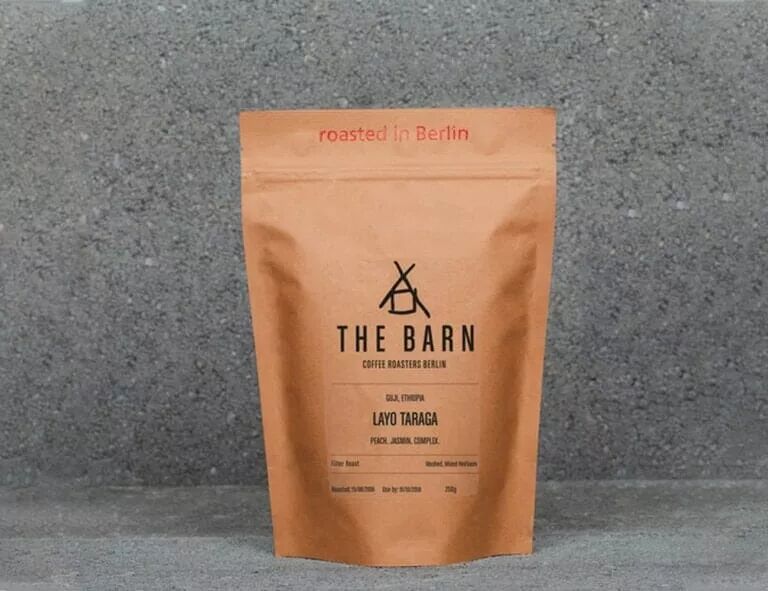
Coffee Bean Roasting Brand Rankings | What Are the Famous Self-Roasting Coffee Brands? What Are the Characteristics of Each Coffee Bean Brand?
There are many world-famous coffee brands. Some mainly operate through chain stores, with unified raw materials and unified standards, so the quality of their coffee output is relatively consistent; others operate as independent coffee shops, and these stores offer different coffee products for customers to choose from. As the coffee culture becomes more and more [more…]
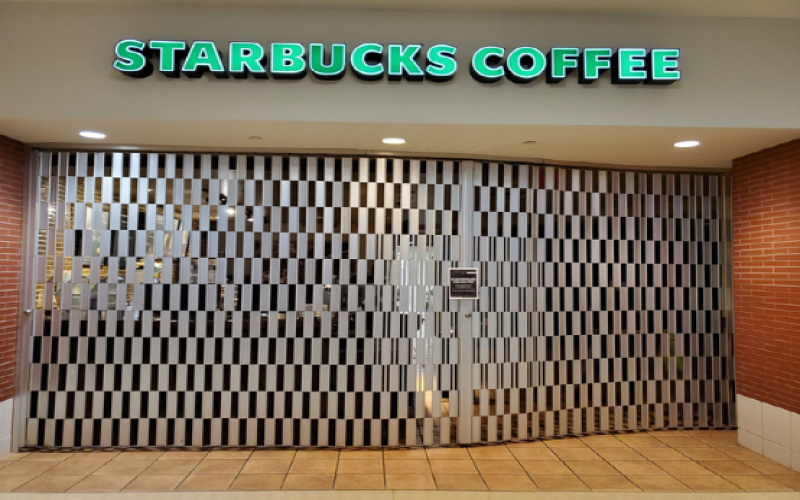
Starbucks Announces Permanent Closure of 16 U.S. Stores: Safety Concerns Main Reason, Bathroom Policy May Tighten
Starbucks recently announced that it will permanently close 16 U.S. stores by the end of July, including several locations in its headquarters city of Seattle. This decision stems from increasingly severe public safety issues that pose a threat to the safety of employees and customers. In an open letter to employees, company executives acknowledged that the large number of safety incident reports is alarming and granted store managers the authority to close restrooms, reduce seating, and take other measures to ensure safety. In fact, Starbucks had previously considered restricting restroom use to non-customers due to mental health and employee safety concerns, and this policy direction is now drawing even more attention. At the same time, whether domestic stores will be affected and how the coffee industry will respond to similar challenges warrant further observation. [more…]

Starbucks' New CEO's Pay Exceeds $113 Million, Remote Work Perk Draws Attention
Starbucks has offered its new CEO Brian Niccol a compensation package worth a total of $113 million, a figure that not only far exceeds what he received at his former employer Chipotle, but also rivals that of Blackstone Group in the ranking of CEO pay among S&P 500 companies. In addition to the generous salary, Starbucks has made an exception by allowing this new leader to work remotely, and has also provided him with arrangements including commuting by private jet, temporary housing, and a dedicated office, in stark contrast to the treatment of former CEO Laxman Narasimhan. This series of measures fully demonstrates Starbucks' high regard and expectations for Niccol. [more…]